
Please note: the minimum order amount is €350.
How to Choose the Right Equipment for an Indoor Playroom

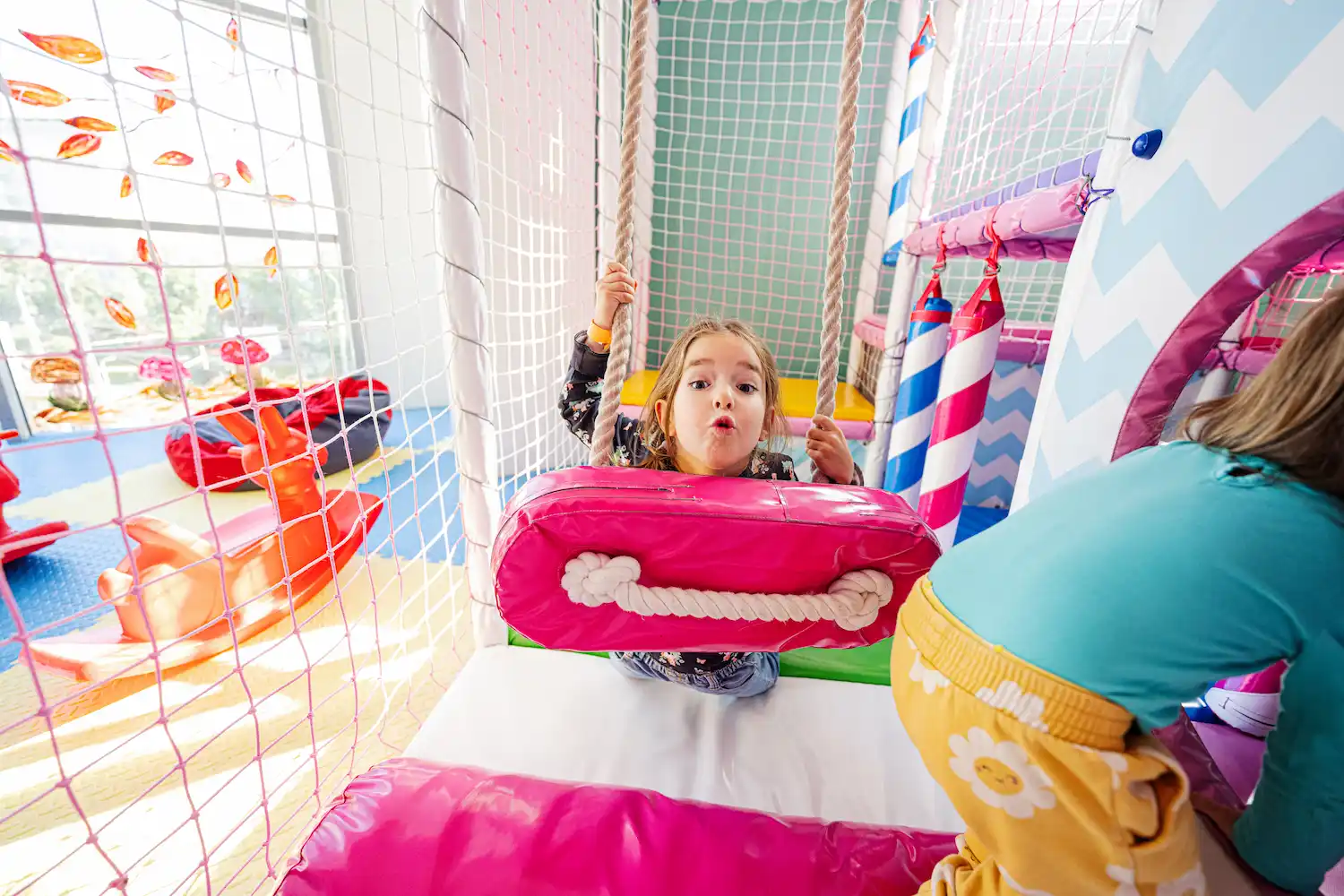
Setting up a playroom is not a task to be underestimated. Creating a well-designed play area means offering children a safe, engaging, and stimulating environment, where they can have fun, learn, and socialize. A well-organized playroom should meet the needs of different age groups, ensure an effective play-based learning experience, and above all, be equipped with high-quality equipment.
Selecting furniture, toys, and structures must be done with careful evaluation of the safety, durability, and versatility of the spaces. It’s not just about placing games and furnishings; it’s about creating an environment that promotes the development of children’s motor, cognitive, and social skills. A well-structured playroom is not merely a leisure area, but an investment in the growth and well-being of the youngest.
Let’s explore how to choose the right equipment for a playroom, which elements are essential, and how to best organize the space to ensure a safe and complete play experience.
The importance of a functional layout for a playroom
A well-designed layout is key to the success of a playroom. The main goal is to create an environment where children can play freely, interact with each other, and develop their skills in complete safety. To achieve this, it’s essential to consider three fundamental aspects:
-
Space organization → Each area must serve a clear and defined purpose: free play, arts and crafts, reading, relaxation, and socialization.
-
Safe and certified materials → Equipment must be made from non-toxic, durable, easy-to-clean materials that comply with current regulations.
-
Adaptability and modularity → Furniture and play structures should be versatile and adaptable to different age groups, ensuring long-lasting use over time.
When a child enters a playroom, they must feel safe and inspired to explore. A functional setup allows for a well-organized space that supports both individual and group play, offering engaging and stimulating experiences.
Playroom equipment: essential elements for a complete environment
To ensure a varied and engaging play experience, a playroom must be equipped with furnishings and equipment that address different developmental needs. The main equipment categories include:
- Free play areas → Modular structures, padded mats, and play corners that promote movement and exploration.
- Ergonomic tables and chairs → Essential for creative workshops, reading, and group activities, they must be sturdy, safe, and easy to sanitize.
- Sensory modules → Tactile paths, interactive panels, and educational toys designed to stimulate sensory perception and fine motor skills.
- Soft corners → Armchairs, cushions, and poufs for a safe and welcoming relaxation area, ideal for resting or social interaction.
Equipping a playroom with the right tools means creating a versatile and multifunctional environment that meets the needs of all children, supporting their growth through play.
How Essential Equipment Shapes a Playroom: A Quick Recap
Games and Furnishings for Playrooms: What Shouldn’t Be Missing
A well-designed play area is not just a place for fun; it’s a true educational space where children can develop cognitive, motor, and social skills. The choice of games and furnishings for a playroom must therefore be guided by quality, safety, and educational value, ensuring that every element contributes to a complete growth experience.
Creating a balanced and varied environment means integrating solutions that meet the needs of children with different interests and abilities. One child might prefer artistic activities, while another is more inclined toward motor play: a well-equipped playroom should offer opportunities for both and spark curiosity in every form.
Educational and Logic Games: The Power of Problem-Solving
Educational games are fundamental tools for developing critical thinking. Activities like puzzles, construction sets, and brainteasers help children improve concentration, memory, and problem-solving skills in a creative way.
-
Progressive puzzles → Puzzles with increasing levels of difficulty help develop problem-solving strategies and train patience.
-
Building blocks and modular bricks → Classic blocks or magnetic construction systems teach children how to design and experiment with shapes, enhancing spatial logic.
-
Mazes and logic challenges → Games with paths to complete, codes to decipher, or sequences to reconstruct stimulate the ability to anticipate the consequences of one’s actions.
Integrating these games into a playroom means encouraging reasoning and independence, two key skills for every child’s future.
Art and Creative Materials: Free Expression and Sensory Stimulation
Art and creative expression are essential in a play-based environment. Children love experimenting with colors, shapes, and materials, and a playroom should provide tools suitable for all ages.
-
Markers, paints, and watercolors → Free drawing supports fine motor skills and personal expression.
-
Colored paper and collage materials → Encourage manipulation and creativity, allowing children to make their own artistic compositions.
-
Clay and modeling dough → Besides being fun, these materials are perfect for developing hand-eye coordination.
-
Recycled materials → Creating toys and objects from reclaimed items teaches the value of sustainability and sparks creativity in unexpected ways.
A dedicated space for art and hands-on activities allows children to experiment without fear of mistakes, exploring their creative abilities in total freedom.
Motor Structures: Movement as a Growth Experience
Physical play is essential for balanced development. Children need to move, run, climb, and explore their bodies in space. Including motor structures in a playroom allows you to combine active play with the development of basic motor skills.
- Tunnels and obstacle courses → Encourage agility, coordination, and spatial orientation.
- Slides and swings → Help children control their movements and overcome small balance challenges.
- Trampolines and soft surfaces → Stimulate proprioception and muscular coordination.
- Sensory paths → Walking on surfaces with different textures (soft, hard, rough) helps children develop body awareness in space.
Integrating these structures into a playroom supports the development of motor skills through exploration, helping each child to grow in autonomy and confidence.
Bookshelves and Reading Corners: The Value of Storytelling and Imagination
One of the elements that should never be missing in a playroom is a space dedicated to reading and storytelling. Reading or listening to a story allows children to expand their vocabulary, develop imaginative thinking, and improve their listening skills.
- Interactive picture books → Offer a tactile and visually engaging experience.
- Books with sound elements → Stimulate hearing and make storytelling even more immersive.
- Soft and tactile books for toddlers → Ideal for early reading experiences.
- Comfortable armchairs and soft rugs → Creating a reading nook with cozy seating and soft lighting encourages relaxation and focus.
Integrating reading into a playroom means giving children the opportunity to explore the world through words, immersing themselves in stories that nurture imagination and knowledge.
Creating a Balanced Environment: The Harmony Between Play, Learning, and Safety
An effective playroom is one that manages to balance play, learning, and safety in a single stimulating environment. It’s not just about adding games and furniture, but about thinking of spaces as a set of experiences, where every element has a clear purpose.
A space dedicated to motor activities will be more dynamic and colorful, while a reading area should convey calm and focus. Materials used must comply with safety and hygiene regulations, ensuring at the same time a rich and diversified sensory experience.
Equipping a playroom with quality furnishings and games means creating a place that children will love to spend time in, where they can grow, explore, and learn through play. A thoughtful and well-considered selection of equipment is an investment for the future, ensuring a welcoming environment that meets the evolving needs of young children.
How to Organize Spaces: Smart Layouts for Maximum Functionality
One of the most important aspects of a playroom is space management, which should ensure freedom of movement and a clear arrangement of different activities. Here are some effective solutions:
- Themed zones → Separate the space into activity areas, such as free play, arts and crafts, reading, and movement.
- Modular equipment → Choose flexible, adaptable components to suit different needs and optimize available space.
- Space-saving solutions → Use shelving, containers with wheels, and stackable items to maintain order and practicality.
A well-organized layout allows you to make the most of every square meter, turning the space into a more welcoming and functional environment.
A Well-Equipped Playroom Is an Investment in the Future
Creating a functional, safe, and stimulating playroom means offering children an environment where they can grow, learn, and have fun in complete freedom. Choosing the right equipment is not just an aesthetic choice, but a strategic decision that directly affects the quality of the play and learning experience.
Investing in high-quality, versatile, and durable solutions ensures a space that can evolve over time, adapting to the needs of different age groups. For those who want to set up a state-of-the-art playroom, choosing the right furniture and toys makes the difference between a generic space and a truly engaging and educational environment.
