
Please note: the minimum order amount is €350.
How to Make Public Parks and Green Areas More Attractive

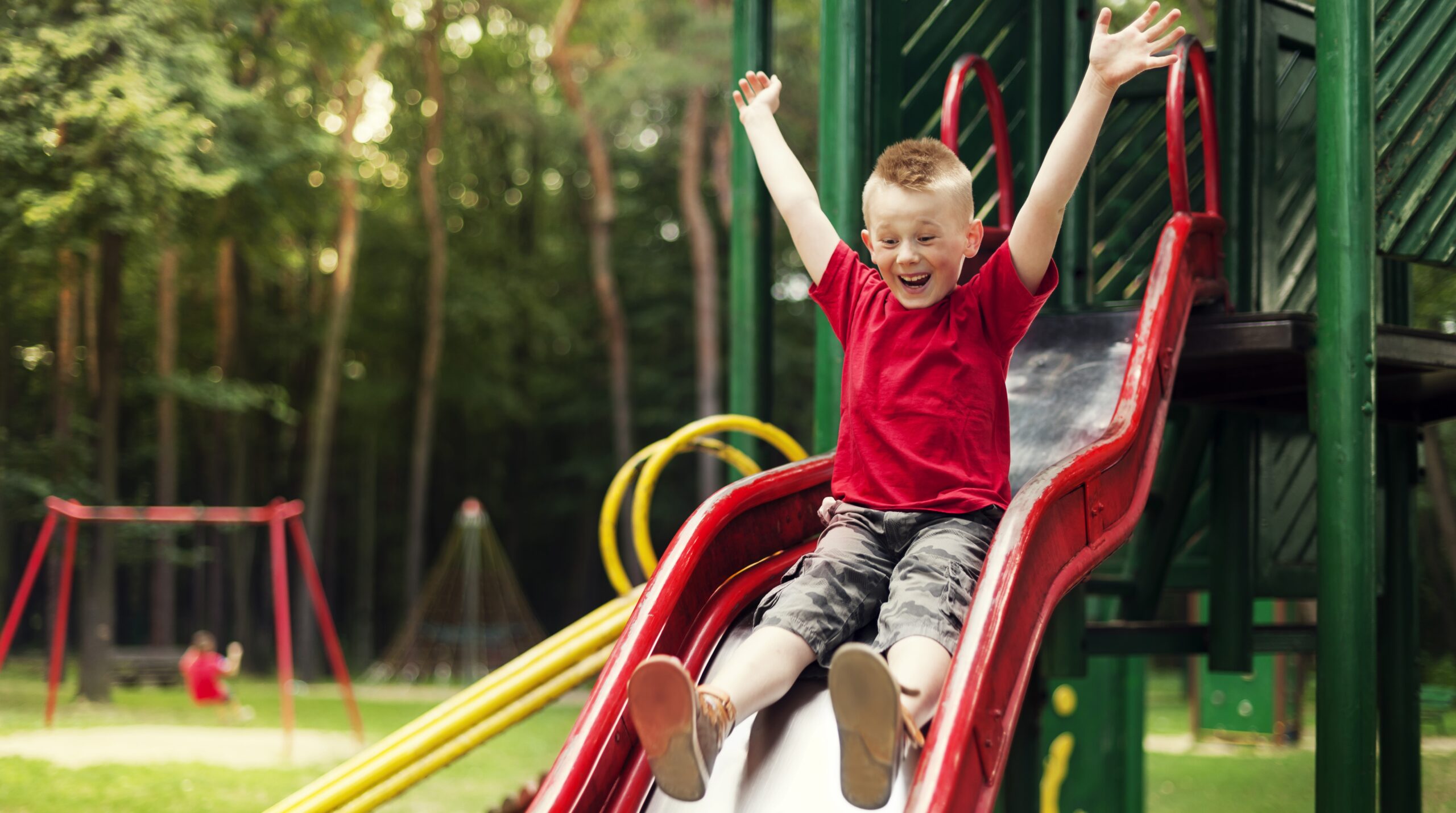
Public parks and green areas today represent much more than simple outdoor spaces: they are places for meeting, growth, wellbeing, and inclusion for the whole community.
For public administrations, schools, and designers, making these spaces truly attractive means creating safe, stimulating, and durable environments, capable of engaging children, families, and citizens of all ages.
But what are the key elements to transform a green area into a lively, well-frequented, and valued space over time?
In this article, we analyse practical solutions, design strategies, and concrete suggestions to improve the attractiveness of public parks.
Index
- Why it is important to invest in public parks
- Functional and inclusive design
- Playgrounds and equipment: the heart of attractiveness
- Safety and regulations
- Durable and sustainable materials
- Design, colours, and user experience
- Maintenance and long-term durability
- Community involvement
- Frequently asked questions (FAQ)
1. Why it is important to invest in public parks
A well-designed park:
- encourages socialisation and inclusion
- promotes physical activity and wellbeing
- increases the perceived value of the area
- contributes to urban safety (more people = more social control)
For public bodies and administrations, investing in attractive green spaces means concretely improving citizens’ quality of life.
2. Functional and Inclusive Design
The foundation of an attractive park is smart design that takes into account different age groups and user needs.
Key elements:
- division of spaces by age groups (0–3, 3–6, 6–12+)
- accessible pathways also for people with disabilities
- relaxation areas for caregivers and families
- integration between free play and structured activities
👉 An inclusive park is a more frequented park.
4. Safety and Regulations
An attractive park must first of all be safe.
Key aspects:
- compliance with European standards (UNI EN 1176 for playgrounds)
- use of certified and non-toxic materials
- suitable impact-absorbing surfaces
- absence of sharp edges and dangerous elements
👉 Safety is not a cost, but an investment in users’ trust.
Design, Colours and User Experience
Visual impact is essential to attract attention, especially from children.
Practical tips:
- use bright but harmonious colours
- create visual pathways and themed areas
- avoid excessive colour confusion
- maintain stylistic consistency between elements
👉 A good design increases the time people spend in the park.
7. Maintenance and Long-Term Durability
An attractive park must remain attractive over time.
For this reason, it is important to:
- choose products with replaceable parts
- plan simple and fast maintenance
- use materials resistant to weather conditions
- reduce the risk of vandalism thanks to robust structures
This approach helps maintain a high investment value.
8. Community Involvement
A park truly works when it is actively used.
Useful strategies:
- involve schools and local associations
- organise activities and events
- collect user feedback
- design flexible and adaptable spaces
👉 The more people feel involved, the more they will take care of the space.
