
Please note: the minimum order amount is €350.
How to Start a Play Space: A Complete Beginner’s Guide

What Is a Play Space?
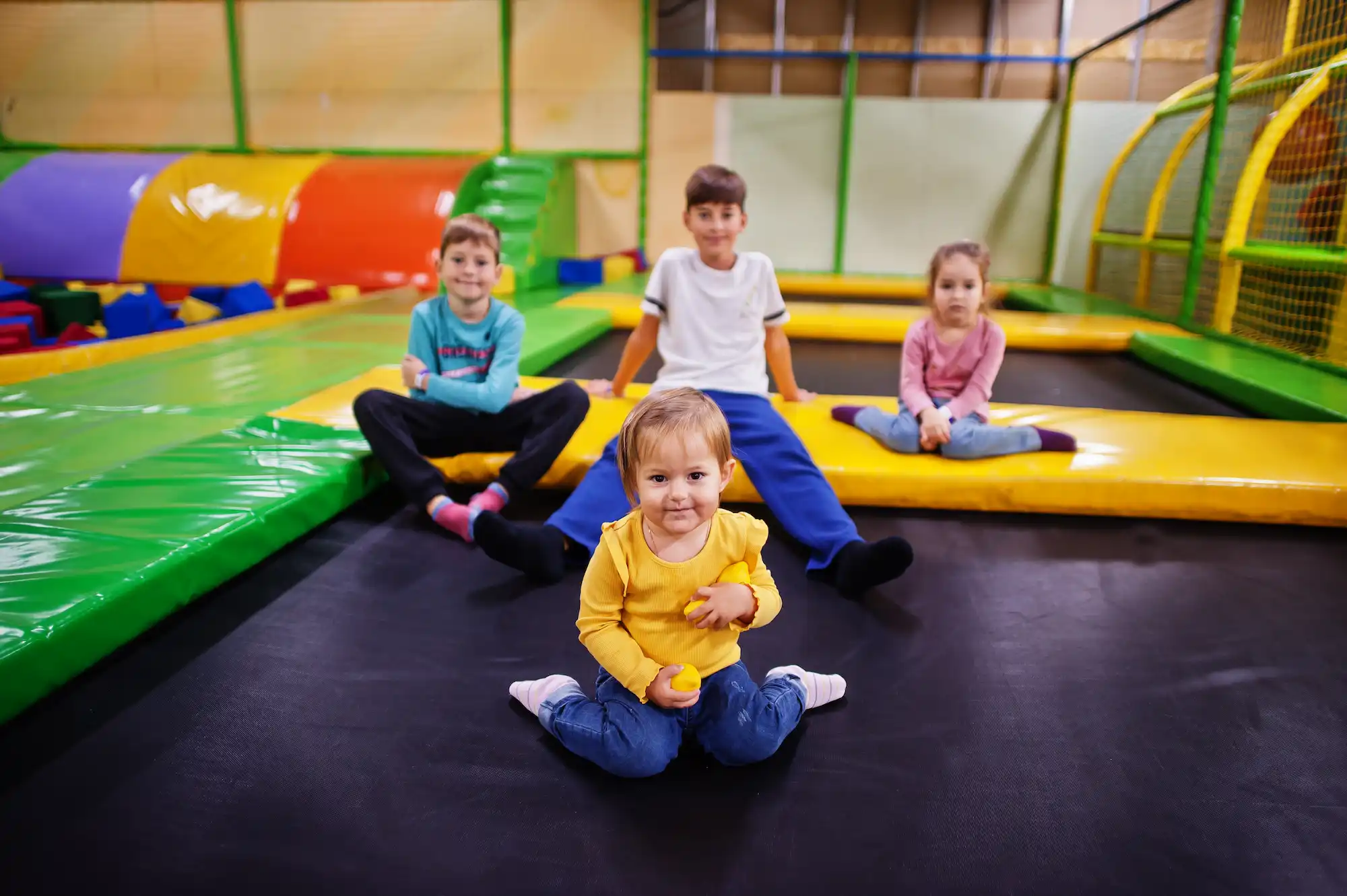
A play space is an environment designed to support children’s cognitive, motor, and social development, offering a safe and stimulating place where they can express their creativity and interact with peers.
Unlike a playroom with more structured, guided activities, a play space is intended for free play, with specific areas tailored to different age groups and activities.
The main features of a play space include:
- Safety → certified materials, rounded corners, and shock-absorbing flooring.
- Adaptability → modular environments that can be easily reconfigured and expanded.
- Sensory and motor stimulation → tactile games, motor paths, and interactive activities.
Regulations and Requirements for Opening a Play Space
Opening a play space requires compliance with certain safety regulations and structural requirements. These may vary depending on local laws, so we strongly recommend consulting a local expert. However, here are some key aspects to consider:
- Municipal authorizations → every play space must comply with urban planning and safety regulations.
- Safety certifications → flooring, furnishings, and equipment must comply with UNI EN 1176 and UNI EN 1177 standards.
- Hygiene and accessibility → clean, sanitized, and accessible spaces for all children, including those with disabilities.
- Adequate space → usually, there must be a minimum area per child admitted.
Proper space planning is essential to ensure a natural flow between activities, avoiding chaotic or poorly organized environments.
How to Structure a Children’s Play Space
A good design should include various themed areas to stimulate children in a balanced way. Some of the most effective zones include:
-
Creative area → with tables, chairs, drawing materials, and tools for manual activities.
-
Motor area → with motor-skill paths, padded mats, and equipment that encourage movement.
-
Reading and relaxation corner → a quiet, child-sized space for calm and focused moments.
-
Interactive area → sensory panels, building games, and educational toys to stimulate logic.
To ensure maximum functionality, the play space should be organized so that each activity has its own dedicated area, with no chaotic overlaps.
Choosing Furniture and Equipment
Furniture plays a key role in the safety and functionality of a play space. In addition to ensuring certified materials, it’s important to choose elements that are versatile and modular.
✓ Child-sized chairs and tables → ergonomic, stackable, and easy to clean.
✓ Structures for motor play → safe and modular equipment suitable for different age groups.
✓ Interactive walls → with tactile, musical, or puzzle-based games.
Choosing durable, high-quality solutions means ensuring long-term durability and safety for all children.
Play Spaces for Ages 0–3: Specific Features
The first years of life are crucial for children’s motor, cognitive, and social development. That’s why we want to focus especially on this age group: a play space for children aged 0–3 years must be specifically designed with particular attention to safety, sensory stimulation, and accessibility.
Safety First
For young children, exploration happens mostly through spontaneous movement, touch, and hands-on experimentation. It’s essential to create an environment that minimizes risks by using:
✓ Soft and shock-absorbing materials → floors with padded mats in EVA or foam, rounded corners, and protective coverings to avoid accidental impacts.
✓ Child-sized play structures → tunnels, playhouses, and low slides that support coordination development in a safe way.
✓ Non-slip surfaces → to ensure better stability during early walking stages and reduce the risk of falls.
A well-designed and safe play area allows children to move freely, exploring their bodies without feeling restricted.
Sensory Stimulation and Fine Motor Skills
During the first years of life, sensory development plays a key role in learning and growth. A play space for children aged 0 to 3 should include activities and materials that engage all five senses.
✓ Tactile and sensory games → interactive panels with a variety of textures (velvet, wood, rough plastic), soft constructions, and sound elements.
✓ Musical corners → percussion instruments like tambourines and wooden xylophones to explore sound.
✓ Light and color games → illuminated panels and reflective surfaces to capture attention and stimulate curiosity.
The goal is to create a dynamic environment that supports the development of perceptual abilities, helping the child to interact with the world in a natural way.
Spaces Dedicated to Movement
Young children learn through their bodies: free movement and discovery of their surroundings are essential for motor skill development. A well-organized play space should include:
✓ Protected movement areas → with gentle slopes, small slides, and tunnels to encourage crawling.
✓ Structures for motor development → such as inclined mats, low steps, and platforms that promote balance and crossing.
✓ Safe climbing zones → foam modules at different heights to allow children to climb up and down independently.
Adding elements that encourage spontaneous movement helps children develop body control, improve coordination, and enhance spatial awareness.
Relaxing Environments and Soft Zones
A good play space for children aged 0–3 should not only stimulate movement, but also include areas dedicated to relaxation and calm. These spaces are essential to help children recharge and feel safe.
✓ Soft and welcoming corners → cushions, mats, and low sofas to create a soothing atmosphere.
✓ Interactive reading area → child-sized bookshelves with board books and tactile stories for independent exploration.
✓ Tents or sensory nooks → cozy spaces where children can play quietly and feel protected.
Alternating between active play and quiet time helps children regulate their emotions and develop concentration skills.
Strategies to Create a Functional Play Space
✓ Space optimization → ensure the right balance between movement areas and calm zones.
✓ Versatile furnishings → choose modular and adaptable solutions.
✓ Easy-to-clean materials → washable and wear-resistant surfaces.
A well-designed environment improves the quality of play and supports a rich educational experience for children.
The Quality of the Space Affects the Child’s Experience
Opening a play space means creating a place that goes beyond simple fun: it must be a safe, educational, and engaging environment. The choice of furniture and equipment impacts the quality of the children’s experience, helping them develop motor, cognitive, and social skills naturally.
Investing in durable, child-friendly materials not only ensures greater safety, but also helps create a space that adapts to developmental needs and educational activities.
To discover the best solutions for furnishing your play space with certified, child-safe materials, contact an expert today and make your space welcoming and functional!
