
Please note: the minimum order amount is €350.
Inclusive Motor Paths for Schools and Educational Centers: How to Create Accessible and Engaging Spaces

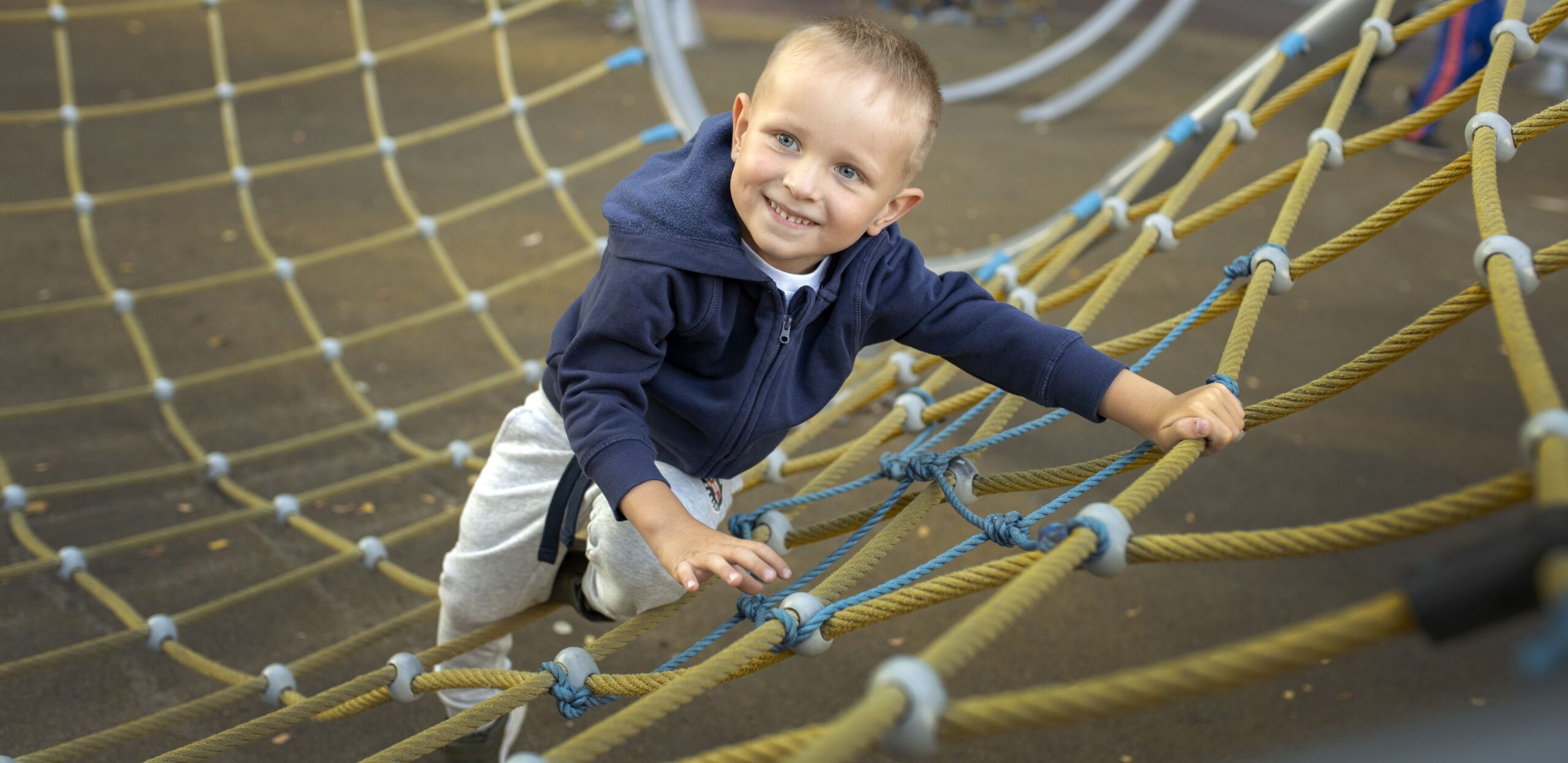
In recent years, inclusion in schools and educational environments has become an increasingly important topic. It is no longer just about ensuring accessibility, but about creating spaces where every child feels involved, valued, and free to express their abilities.
Inclusive motor paths offer a practical solution for schools, kindergartens, educational centers, and psychomotor facilities. Thanks to safe, versatile, and adaptable modules, they make it possible to develop activities that promote coordination, balance, social interaction, and independence while engaging children with different needs and abilities.
In this article, we explore what inclusive motor paths are, the benefits they offer, and how to choose the most suitable equipment for a modern and effective educational project.
Index
- What Are Inclusive Motor Paths?
- Why Motor Inclusion Is Important in Schools
- Benefits of Inclusive Motor Paths
- How to Design an Accessible Motor Activity Area
- Recommended Equipment for Schools and Educational Centers
- Safe Materials and Certifications
- Why Choose Italveneta Didattica
- Frequently Asked Questions (FAQ)
1. What Are Inclusive Motor Paths?
Inclusive motor paths are psychomotor activity courses designed to allow all children to participate, regardless of their motor, cognitive, or sensory abilities.
These paths may include:
- balance elements
- soft obstacles
- modular components
- tunnels and walkways
- sensory activities
- coordination games
- modular structures
The goal is to provide a shared and accessible experience where every child can participate safely and according to their own level of ability.
2. Why Motor Inclusion Is Important in Schools
Inclusive motor activities help children develop essential skills from both a physical and social perspective.
In the school environment, an inclusive approach makes it possible to:
- encourage the participation of all students
- improve social interaction
- promote collaboration among children
- increase self-esteem and independence
- reduce situations of exclusion
More and more schools and educational centers are investing in inclusive psychomotor spaces to meet evolving educational needs and support projects focused on children’s well-being.
3. Benefits of Inclusive Motor Paths
Motor Development
These activity paths help improve:
- coordination
- balance
- spatial awareness
- gross motor skills
- movement control
Inclusion and Socialization
Stimolazione sensoriale
Materials, shapes, and colors help children develop:
- visual perception
- tactile sensitivity
- cognitive abilities
- concentration
Adaptability for Different Age Groups
Modular motor paths can be configured for:
- nurseries and daycare centers
- preschools and kindergartens
- primary schools
- therapy centers
- multisensory environments
4. How to Design an Accessible Motor Activity Area
To create a truly inclusive motor activity space, it is important to consider several key aspects.
Safety
Equipment should be:
- certified according to European standards
- stable and durable
- made from non-toxic materials
- free from dangerous sharp edges
Modularity
Modular systems allow you to:
- modify the activity path over time
- adapt the level of difficulty
- create new activities whenever needed
Accessibility
The space should provide:
- freedom of movement
- adequate passageways
- easy access and use, even for children with specific needs
Educational Stimulation
A well-designed motor activity path should combine:
- physical activity
- educational play
- experiential learning
5. Recommended Equipment for Schools and Educational Centers
Among the most commonly used solutions for inclusive motor activity paths are:
Modular Psychomotor Equipment
Perfect for creating customized and adaptable activity courses.
Tunnels and Walkways
Ideal for developing coordination and spatial awareness.
Giant Bricks and Soft Play Modules
Useful for collaborative activities and safe motor development.
Modular Outdoor Play Structures
Such as Cubic Toy structures, designed to encourage movement, inclusion, and social interaction.
Balance Paths
Essential for improving motor control, balance, and body awareness.
6. Safe Materials and Certifications
When choosing inclusive motor activity paths, it is essential to evaluate both the quality and compliance of the materials used.
Professional equipment should comply with standards such as:
- UNI EN 71
- UNI EN 1176
- safety regulations for educational environments
High-quality materials ensure:
- long-lasting durability
- resistance to intensive use
- easy cleaning and maintenance
- everyday safety
7. Why Choose Italveneta Didattica
For over 40 years, Italveneta Didattica has been designing and manufacturing equipment for schools, kindergartens, and educational centers, built to last and support inclusive activities.
Our solutions stand out for:
- Made in Italy production
- safe and certified materials
- modularity and customization
- excellent resistance to intensive use
- dedicated support for schools and professionals
Inclusive motor activity paths by Italveneta Didattica are designed to create stimulating, safe, and accessible educational environments for everyone.
8. FAQ – Frequently Asked Questions About Inclusive Motor Paths
- What is an inclusive motor path?
An inclusive motor path is an activity course designed to allow children with different abilities and needs to participate together, promoting inclusion, accessibility, and active engagement.
- Who are inclusive motor paths suitable for?
They are ideal for kindergartens, primary schools, nurseries, educational centers, gyms, and therapy centers.
- What Are the Main Benefits?
Inclusive motor paths improve coordination, balance, socialization, independence, and psychomotor development.
- Can motor paths be customized?
Yes. Modular solutions allow the creation of customized configurations based on available space, age groups, and specific educational objectives.
- What certifications should the equipment have?
Professional equipment should comply with European standards such as UNI EN 71 and UNI EN 1176, ensuring safety, quality, and reliability.
Create an Inclusive Learning Environment with Italveneta Didattica
Would you like to create an inclusive motor activity path for your school or educational center?
