
Outdoor education: how to create safe and engaging outdoor learning spaces

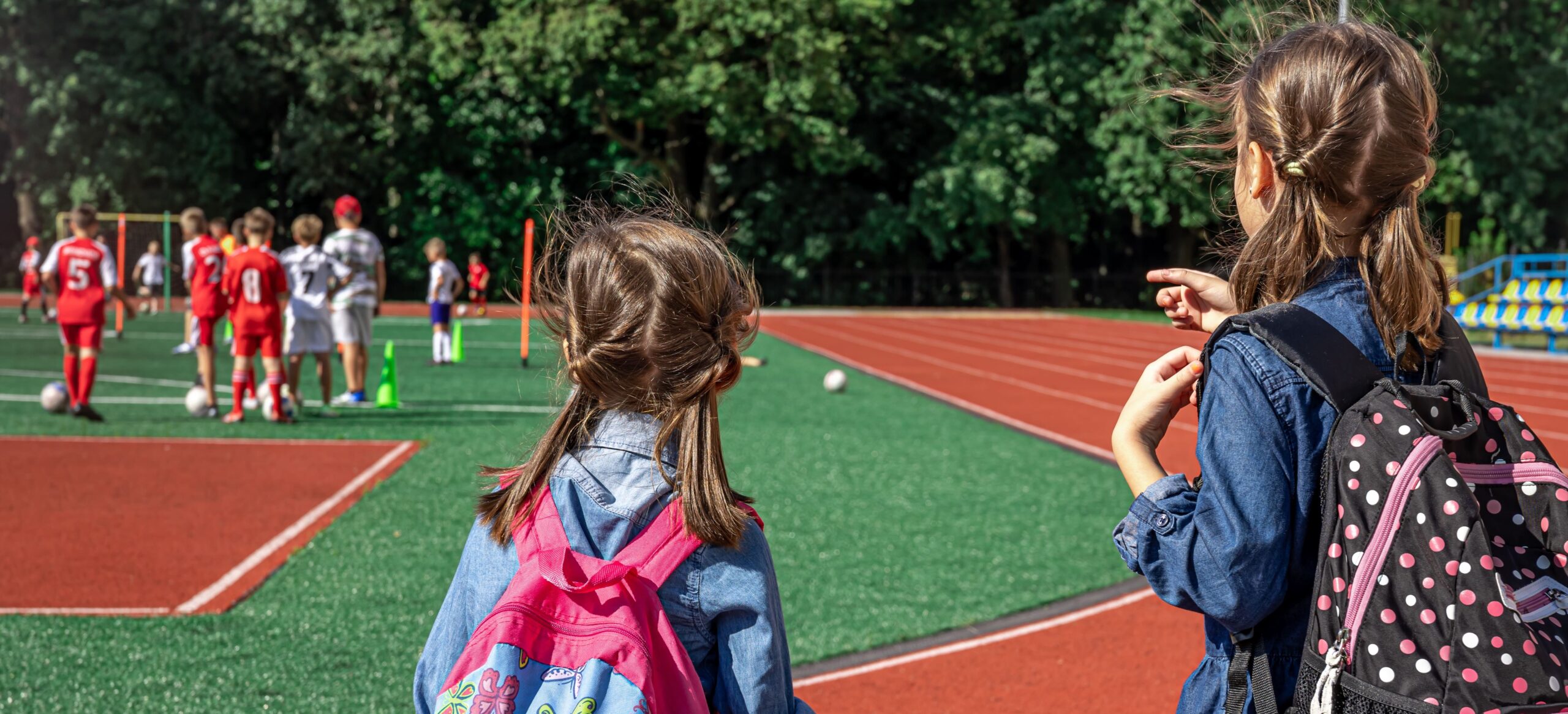
One child watches a line of ants, another works out how to cross a course without losing their balance. Nearby, a group compares leaves of different shapes. These simple activities illustrate one of the most valuable opportunities outdoor education offers: learning through direct experience.
For educators and schools, outdoor activities mean more than simply giving children extra time to play. They involve using school grounds, gardens and other outdoor spaces to create experiences with clear educational goals. The benefits of outdoor education can include physical development, curiosity, independence and relationships with other children.
Index
- What is outdoor education?
- Movement and motor development
- Curiosity and learning
- Independence and problem-solving skills
- Relationships and collaboration
- Activities for early years and primary schools
- How to get started at your school
- Frequently asked questions
1. What is outdoor education?
Outdoor education encompasses teaching and learning activities that take place outside the classroom. The outdoor environment becomes part of the learning experience: children can observe, move, experiment and engage with what they discover.
You do not necessarily need a woodland or a large park. Even a school playground can provide space for an observation activity, a movement course or a cooperative game. What matters is giving the experience a clear purpose: what do we want children to explore and learn?
A single activity can also develop several skills. Looking for objects of different shapes in the garden, for example, involves concentration and movement. When children compare their finds and talk about their discoveries, they also practise language and classification skills.
2. Movement and motor development
Outdoor spaces offer opportunities to walk, run, stop, change direction and find your way around. Through play, children can develop balance, coordination and control over their movements.
An activity course, for example, might encourage children to follow a line, weave between obstacles and reach a set point. Educators can adapt it to the group’s age and abilities, offering different ways to complete it. This allows every child to take part and tackle a challenge suited to their abilities.
Outdoor activities can also help bring more movement into the school day. The World Health Organization recommends that children and young people aged 5–17 do an average of at least 60 minutes of moderate-to-vigorous physical activity per day across the week. Active play is one way to help meet this goal.
3. Curiosity and learning
Outdoors, questions often arise from what children see: why have some leaves fallen while others have not? Where does the water go after it rains? Why does our shadow change position?
Educators can use these observations as the starting point for an activity. Children suggest explanations, compare what they have found and try to describe it. The experience can then continue in the classroom through drawing, storytelling or data collection.
Here are some ways to connect outdoor experiences with the curriculum:
- Science: observing plants, insects and seasonal changes.
- Maths: counting, sorting, comparing sizes and measuring distances.
- Language: describing a place, sharing a discovery and listening to others’ observations.
- Art: recreating shapes, textures and colours noticed outdoors.
Research into learning in natural environments suggests promising outcomes for pupil engagement and some social and academic skills. Results vary depending on age, context and the type of activity, so it is helpful to link each experience to a clear goal.
4. Independence and problem-solving skills
One of the benefits of outdoor education is giving children space to make small decisions. During an activity, they can choose how to organise materials, which route to follow or how to test an idea.
Imagine asking a group to build an activity course using a selection of equipment. Before starting, the children need to decide where to place the items and how to use them. If the course turns out to be too easy or too difficult, they can adjust it. The educator supports them with questions and observations, giving them room to try things out.
These experiences help children develop initiative and adaptability. Independence grows gradually when children have age-appropriate opportunities to make choices, experiment and discover what works.
5. Relationships and collaboration
Many outdoor activities encourage children to work together. Setting up a game, taking turns and achieving a shared goal require them to listen to others and reach agreements.
In a paired activity, for example, one child might describe a natural object without showing it, while the other tries to identify it. The game requires careful attention to words, listening and collaboration. During a group activity course, children can help one another remember the stages and suggest solutions when they encounter a difficulty.
Outdoor spaces also give educators an opportunity to observe the group in a different setting from the classroom. Interests, initiative and ways of taking part may emerge that are worth building on in future activities.
Want to create an outdoor space you can use all year round? Read our guide, Outdoor education: How to create safe and engaging outdoor learning spaces, for more advice on planning your space and choosing activities.
6. Activities for early years and primary schools
To get started, choose activities that are easy to prepare and adapt to the space available.
For early years: a shape and colour hunt
The educator invites children to search the outdoor area for something round, something yellow or something with a rough surface. Afterwards, the group shares what they have observed.
This activity combines exploration, language and attention to detail. Children can search in small groups, and the activity can be adapted to the season.
For early years: a movement course
Set up a course with a few stages: reach a set point, change direction, go around an object and return to the start. Children can then suggest a new stage.
Alongside being physically active, they learn to follow instructions, find their way around and help shape the game.
For primary schools: an observation diary
The class chooses a spot in the school grounds to observe at different times of the year. Pupils write notes or draw what changes: leaves, light, how warm or cold it feels, and the presence of insects.
The observations collected over time provide material for descriptions, comparisons and simple ways of presenting data.
For primary schools: measuring outdoor spaces
Pupils can estimate the distance between two points and then measure it using age-appropriate tools. They compare their answers and discuss why some estimates differed.
The outdoor setting makes maths practical and gives pupils a reason to work together and check their results.
7. Come iniziare nella propria scuola
Per introdurre l’outdoor education non occorre cambiare tutta la programmazione in una volta. Un primo passo può essere scegliere un’attività breve e ripetibile.
Prima di uscire, è utile:
- definire l’obiettivo educativo dell’attività;
- scegliere uno spazio adeguato al gruppo e verificare le condizioni d’uso;
- preparare materiali semplici e indicazioni chiare;
- prevedere modalità di partecipazione adatte alle diverse capacità;
- dedicare alcuni minuti finali al racconto dell’esperienza.
La ripetizione permette di osservare i progressi e migliorare la proposta. Una ricerca di forme, per esempio, può diventare nel tempo un’attività sulle stagioni, sulle misure o sulla descrizione degli ambienti.
8. Frequently asked questions
-
What are the main benefits of outdoor education?
Outdoor learning activities can offer opportunities to move, observe, collaborate and learn through experience. Outcomes depend on the activities offered, how regularly they take place and the children’s needs.
-
Do you need a large garden for outdoor education?
No. Even a school playground can be used for observation, movement games and learning activities. The key is to choose activities that suit the space available.
-
Is outdoor education suitable for early years settings?
Yes. Activities should be adapted to children’s ages and abilities. Sensory exploration, movement games and guided observation are all possible starting points.
-
How does outdoor education connect with classroom lessons?
An outdoor activity can introduce a topic or help explore it in more depth. Afterwards, children can describe what they have seen, compare observations and build on them through drawings, writing or simple measurements.
-
Do you need to buy equipment to get started?
Not necessarily. Many activities only require a suitable space and a well-planned idea. Equipment can help organise movement activities or make the space more versatile, depending on the school’s goals.
Take learning outdoors
Every school has different spaces, groups and needs. Italveneta Didattica can help you choose play and activity equipment for educational and movement activities suited to your project.
