
Please note: the minimum order amount is €350.
Psychomotricity in Nursery: An Approach to Developing Motor Skills

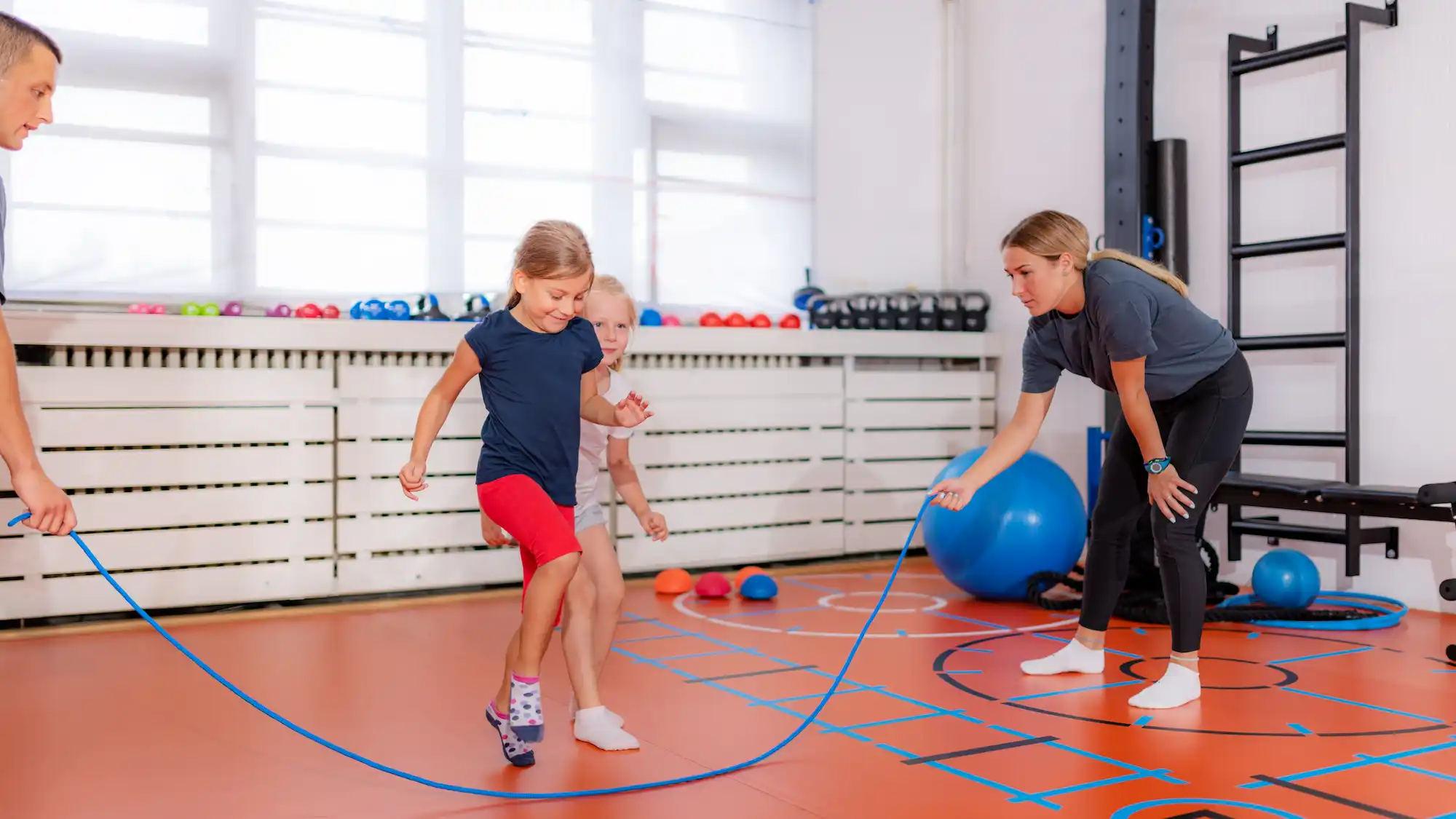
Every child learns through movement. From the earliest years of life, psychomotor activity helps develop motor, cognitive, and emotional skills, enhancing awareness of the body and relationships with the surrounding environment. For this reason, psychomotricity in nursery settings is essential to support children’s growth through games and sensory experiences that stimulate their overall development.
Integrating psychomotricity into education means providing appropriate tools and spaces, designed to encourage movement and safe experimentation. But what are the objectives of psychomotricity in nursery? Which activities are most suitable for children, and in what situations might targeted therapy be necessary?
Objectives of Psychomotricity in Nursery
Psychomotor activity in nursery settings goes beyond movement for its own sake: it represents a comprehensive educational approach that involves both body and mind. The main objectives of these activities are:
- Developing gross motor skills — Coordinating movements, controlling balance, and managing spatial awareness.
- Enhancing fine motor skills — More precise and coordinated movements, essential for future writing and object manipulation.
- Stimulating body awareness — Helping children recognize their bodies in space and gain greater self-awareness.
- Improving relationships with the environment and others — Through group play and activities that encourage interaction.
- Developing cognitive and emotional skills — A child who experiences movement positively builds self-confidence and the ability to face new challenges.
Psychomotor activities in nursery are designed to stimulate autonomy, socialization, and emotional well-being, helping children develop the fundamental skills needed for growth.
Psychomotor Pathways in Nursery: What Activities Should Be Proposed?
Psychomotor programs should be structured according to the age and abilities of the children, using games and tools that promote experiential learning. Some of the most effective activities include:
🔸 Motor Pathways
- Structured with obstacles, tunnels, soft mats, and low steps.
- Help improve balance, coordination, and spatial orientation.
- Can be easily adapted to the developmental level of each child.
🔸 Balance Games
- Use of low beams, soft platforms, and large soft shapes.
- Enhance body awareness and adaptation to movement.
- Perfect for developing the ability to handle new situations.
🔸 Activities with Soft Modules and Sensory Panels
- Stimulate touch and tactile perception, enhancing body awareness.
- Frequently used for rolling, leaning, support, and sensory exploration.
🔸 Dance and Free Movement
- Let children move freely to music, encouraging coordination and body expression.
- Help release tension and promote self-regulation and connection with their bodies.
All these activities should take place in safe, well-equipped spaces, using materials specifically designed for early childhood settings, ensuring a calm and stimulating learning environment.
When a child needs targeted psychomotor activities
Not all children develop motor and cognitive skills at the same pace. Some may experience difficulties with coordination, balance, or spatial awareness, while others may show signs of insecurity in their movements or struggle with social interaction. In these cases, psychomotor activity becomes an essential support to promote balanced development.
Signs that may indicate the need for targeted psychomotor activities:
✓ Balance and coordination difficulties → Children who tend to fall often, struggle to climb steps, and avoid movement games.
✓ Muscle stiffness or hypotonia → Limited mobility in arms or legs, difficulty handling small objects or performing tasks requiring precision.
✓ Delayed motor development → When a child reaches certain motor milestones, such as walking, running, or jumping, later than peers.
✓ Difficulty managing space → Trouble moving among objects or avoiding obstacles.
✓ Shyness and insecurity in movement → Some children show discomfort with their bodies, avoiding games that require more physical interaction.
In these cases, introducing personalized psychomotor programs can help improve motor skills and support the child in gaining confidence with their body and surrounding space.
Psychomotricity and neuropsychomotricity: what are the differences?
We often hear about psychomotricity and neuropsychomotricity, two terms that, despite a common foundation, refer to different types of interventions.
Psychomotricity
Psychomotricity has an educational and preventive approach, aimed at stimulating motor and cognitive development through play and body experience. It applies to all children, even those without specific difficulties, to enhance their abilities and support harmonious growth.
Neuropsychomotricity
Neuropsychomotricity, on the other hand, is a more specialized intervention area focused on the rehabilitation of children with neurodevelopmental disorders. It is carried out by TNPEE professionals (Therapists of Neuro and Psychomotor Therapy of Developmental Age), healthcare specialists who work with children experiencing:
✓ Motor development disorders (delayed developmental milestones, dyspraxia, coordination difficulties).
✓ Learning and attention disorders (dyslexia, ADHD).
✓ Autism spectrum disorders (difficulties in spatial awareness or social relationships).
✓ Fine motor difficulties (issues with gripping, handwriting, and manipulating small objects).
While psychomotricity typically takes place in educational environments, neuropsychomotricity is a therapeutic pathway conducted in specialized centers, hospitals, or professional clinics, with a personalized intervention tailored to the child’s needs.
How to Choose the Right Materials for Psychomotor Activities in Nursery Settings
To ensure psychomotor activities are truly effective, it is essential to choose materials that are safe, durable, and suitable for the age of the children. Spaces must be organized with elements that encourage safe movement and free exploration.
Recommended Materials for Psychomotor Activities in Nursery:
✓ Soft modules → Ideal for climbing, balance, and rolling exercises; they promote safe movement exploration.
✓ Sensory balls → Stimulate touch and coordination through textured surfaces and materials of various consistencies.
✓ Impact-absorbing mats → Help create safe areas where children can move freely without risks.
✓ Tunnels and motor pathways → Encourage spatial exploration and help improve coordination and orientation.
✓ Sensory panels → Useful for activities that combine sensory perception with fine motor skills.
The use of these tools helps children develop confidence in their movements, while improving body awareness and their ability to interact with others.
Psychomotor Tools and Their Benefits
This table summarizes the main tools used in psychomotor activities and the benefits associated with their use.
| TOOL | Benefits | Application |
|---|---|---|
| Soft modules
|
Improve balance, coordination, and body awareness | Motor circuits, climbing, jumping |
| Sensory balls
|
Stimulate touch and hand-eye coordination | Manipulation and movement games |
| Impact-absorbing mats
|
Ensure safety and freedom of movement
|
Foundation for psychomotor activities |
| Tunnel e ostacoli | Develop gross motor skills and spatial orientation
|
Exploration paths and dynamic games |
| Tunnels and obstacles
|
Improve sensory perception and fine motor skills
|
Touch, discovery, and exploration activities |
The Importance of Psychomotricity for a Balanced Future
Giving children the opportunity to explore movement freely and safely is essential for their development. Psychomotricity in nursery settings is not just playtime, but a structured activity that supports harmonious growth by improving balance, coordination, and body awareness.
Investing in quality tools for psychomotor activities means offering children a safe and stimulating educational environment, where they can grow while expressing their full potential. Discover the best solution for you now!
